Yancoal’s US$2.4bn Kestrel Deal: Opportunity or Risk?
Yancoal (ASX:YAL) dropped 2.35% to A$7.06 on Wednesday, falling from a previous close of A$7.23, after the company announced a binding agreement to acquire 100% of Kestrel Coal Group, which holds an 80% stake in the Kestrel Coal Mine in Queensland for up to US$2.4 billion (approximately A$3.4 billion). On the surface, the reaction looks puzzling. A company announces its biggest deal in years, and the market responds by selling shares. So what is actually going on, and should investors see this as a chance to buy or a reason to stay cautious?

What Yancoal Is Actually Getting for US$2.4bn
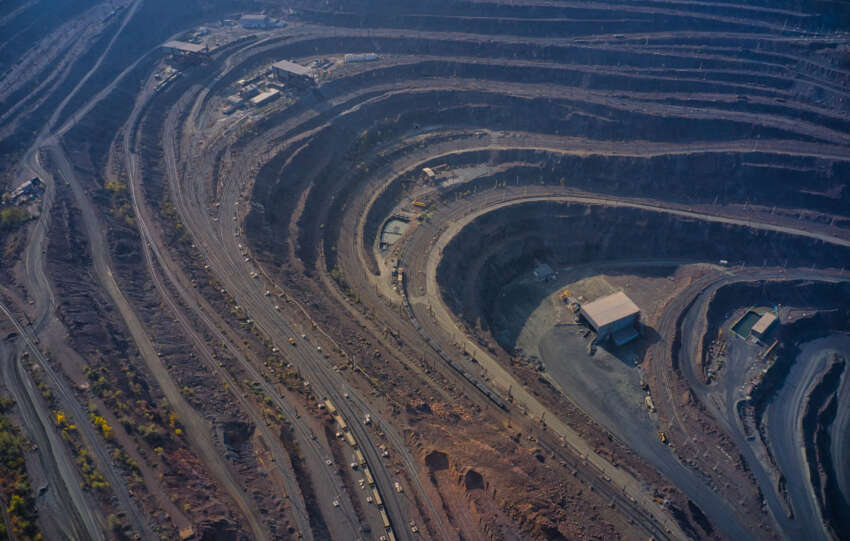
Kestrel is not an ordinary asset. It is Australia’s largest producing underground coal mine, located in Queensland’s Bowen Basin, and it produced 5.9 million tonnes of saleable coal in 2025. The mine holds 164 million tonnes of marketable coal reserves and carries an expected mine life of roughly 25 years. Japanese trading house Mitsui retains the remaining 20% stake and will continue as a joint venture partner.
The strategic logic for Yancoal is clear. The deal lifts the company’s share of premium metallurgical coal to 22% on a pro-forma basis. Metallurgical coal is used to produce steel and typically commands higher prices than the thermal coal Yancoal has traditionally relied on. In our view, this deal genuinely improves the quality of Yancoal’s portfolio over the long term and is not a vanity purchase.
Why the Market Sold Off on Big News
Three concerns are driving the selloff, and all of them deserve attention. First, the funding structure is heavy. Yancoal will pay US$1.85 billion upfront, using existing cash and a US$1.2 billion syndicated loan facility. On top of that, up to US$550 million in contingent payments, triggered if benchmark coking coal prices exceed US$225 per tonne, are payable annually over the next five years. For a company with a market cap of approximately A$9.32 billion, taking on that level of debt is a meaningful commitment that limits flexibility in the near term.
Second, coal sentiment is under pressure globally. The energy transition narrative continues to weigh on the sector, and ESG-focused funds are increasingly reluctant to add coal exposure regardless of the asset quality.
Third, Yancoal is majority owned by China’s Yankuang Energy Group. For some investors, growing Chinese corporate control over a major Australian coal asset raises political and regulatory concerns that are hard to ignore in the current environment.
Buy the Dip or Wait? The Investor’s Verdict
We believe the selloff is understandable but likely overdone relative to the quality of what Yancoal is acquiring. Kestrel is a genuine tier-one asset with a long productive life ahead of it, and the shift towards premium metallurgical coal is strategically sensible.
The deal is expected to close by the end of Q3 2026, so the cash flow benefits are still some months away. The near-term debt load is the key risk to monitor.
For investors comfortable with coal exposure and a 12- to 24-month time horizon, the current dip looks like a reasonable entry point. For more conservative investors, waiting for the deal to close and for Yancoal to confirm it can service the new debt comfortably is the smarter play.