The Australian Stock Exchange is seeing all the different sectors performing at all levels of speed. In 2026, investors ask which sectors lead, which ones are undervalued shares, and what trends to pay attention to this year. Let’s cover what analysts and brokers have predicted for key sectors in the Australian stock market outlook for 2026.
ASX Outlook 2026 at a Glance
Before we go into each sector, here’s a brief look of the 2026 Australian stock market forecast:
- ASX 200 Earnings Growth: Analysts expect ~10% earnings per share EPS growth in 2026, one of the strongest rates in four years. This is attracting investors and bettors interested in online pokies Australia.
- Materials Lead Returns: The Materials sector was up 36% in 2025, accounting for most gains. It’s stronger than the 200’s 10% return.
- Valuation Context: The index trades at 18x forward earnings, above its 5-year average. That means growth depends more on earnings improvement than valuation expansion.
Resources and Materials
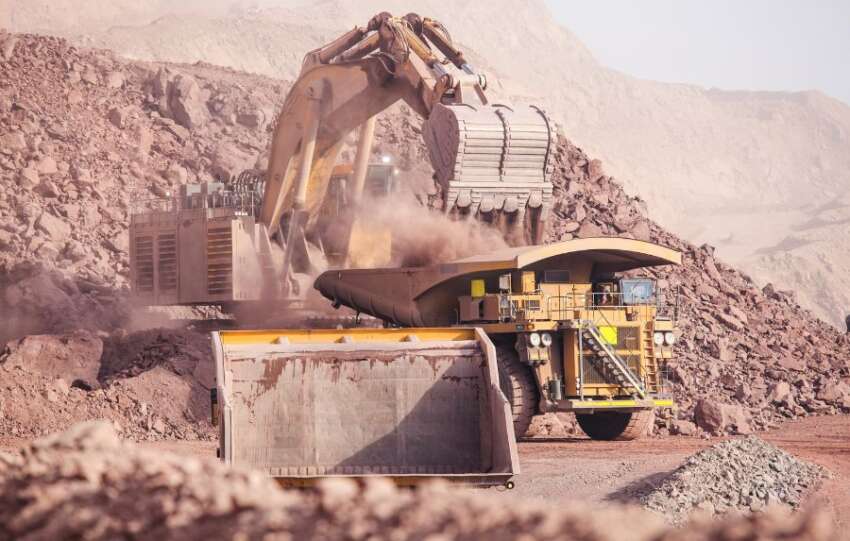
When people talk about the ASX today, look at the biggest sector covering resources and materials: iron ore, gold, lithium, and others. In 2026, the Materials sector outperforms every aspect of the market.
ASX Materials sector climbed 44% from mid-2025, massively outperforming the ASX 200. Copper prices hit US$12,000 to US$13,000 per ton, backed by tight supply and strong demand from energy and data center construction. Australia’s copper exports rose from 765 kt in 2025 to 948 kt by 2026-27.
As Greg Burke, an equity strategist said, ‘The balance of supply and demand for metals and future-facing minerals suggest the resources sector continues to drive earnings growth in 2026.’ If you’re tracking where macro demand is strongest, follow energy-transition metals like copper and lithium.
The trends for commodities in this market:
- Copper: US$12,000-13,000/t due to tight supply and the AI and data demand.
- Gold: This stays elevated since central banks are buying more reserves.
- Iron ore: This is likely to ease to US$90-100 per tonne since new supply enters the market.
- Lithium carbonate: Experts forecast it would climb toward US$1,800/t as the inventories tighten.
Banking and Financials
Australia’s big banks are familiar names dominating the all ordinaries index by weight, can they grow in 2026? Financials made about 12% in 2025, with stable credit and dividends. Brokers suggest higher interest rates, like a peak of 4.10% banking net interest margins, boosting earnings by 3-6% for the Big Four.
Analysts are cautious. The major banks look fully priced, meaning the share prices have less upside left after recent gains. Dividend yields remain attractive, capital growth is limited.
For instance, ANZ and Westpac offer more value than CBA, because of their lower valuations and stronger dividend support going into 2026.
Technology Sectors
The tech sector is smaller than the US or Europe, and it struggled in 2025. 2026 offers selective opportunities for investors, especially around AI infrastructure investment.
2025 was a tough year, since the tech stocks were down. IT had fallen more than 15% in 2025. For 2026, overall profit growth is only projected around 0.8% for tech companies. There are picks and shovels names tied to the cloud too, as data centers and infrastructure defies broader weakness.
Subtrends in this sector include:
- AI infrastructure investment. AI companies like the local data center operators expect to benefit from the growing global interest in computer and storage. Strategic AI players are enabling infrastructure, and demand for these services increases.
- Software businesses successfully embed AI into products are good investment options, they grow margins and customer stickiness.
- Data center operators see volume growth, although the high initial capital costs limit the short-term cash flow.
Defensive and Rate-Sensitive Sectors
There are sectors barely affected by economic swings and rate changes with trajectories in 2026.
Healthcare Stocks
Healthcare underperformed in 2025, analysts expect it to recover in 2026. Here are forecasts to pay attention to:
- Sonic Healthcare is expected to deliver 8-13% EBITDA growth in FY26.
- Biotech names like Telix and Neuren are tipped for breakout growth if the clinical results hit targets.
REITS
Industrial and data-center REITs perform well because of strong demand for modern logistics and digital infrastructure. Office REITs struggle with higher vacancies. In Sydney office markets, there’s a 15.3% vacancy.
Consumer Staples vs Discretionary
Consumer staples deliver low-tens earnings growth in 2026 because of the steady demand. Discretionary spending is sensitive to economic swings and interest costs.
Energy and Utilities
Energy companies are stable because of ongoing demand, utilities benefit from infrastructure upgrades and renewable energy projects. Energy firms reported strong earnings forecasts for 2026, including raised profit guidance and stronger margins. Recently, renewable energy infrastructure is attracting a lot of investment.