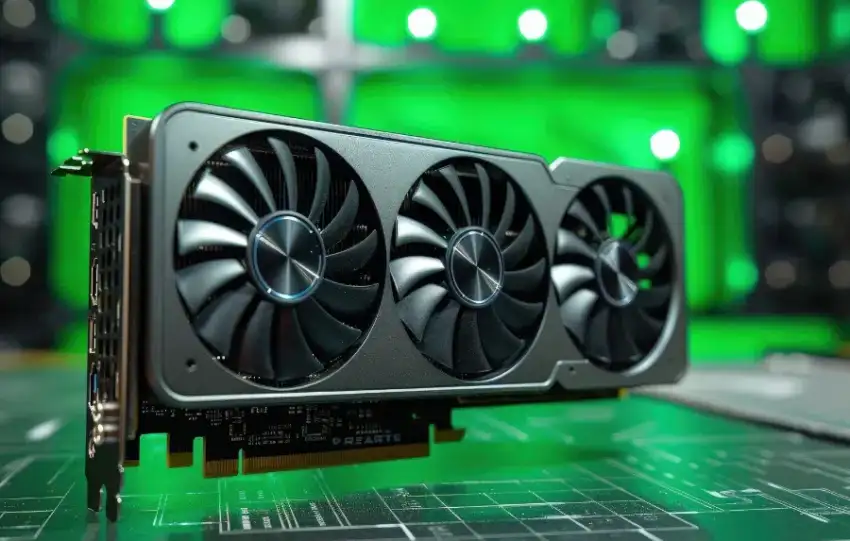
Artificial intelligence is no longer a distant idea; it is embedded in search, cloud computing, chips, automation and finance. Analysts estimate that AI could add trillions of dollars to global GDP by 2030, making it one of the most powerful structural growth themes for investors.
Over the last few years, dedicated indexes tracking artificial intelligence stocks have significantly outperformed the broader market, helped by strong earnings from leading AI platforms and chipmakers. That performance has attracted huge interest in ai stocks from both institutions and retail investors. This article explains how the theme works, which segments matter most, and what to watch out for before you commit capital.
What are the Best AI Stocks to invest in right now?

What Types Of AI Stocks Can You Buy?
The AI ecosystem spans multiple layers of the tech stack, so there are several categories of ai companies to invest in, each with different risks and drivers.
Common buckets in most ai stocks list reports include:
● Infrastructure and chips: GPU and accelerator leaders, networking and data-center hardware
● Cloud and platforms: hyperscale cloud providers packaging AI services for developers
● Application software: firms embedding AI into security, analytics, marketing or workflow tools
● Specialists and enablers: niche automation, robotics or data-labeling providers
When commentators discuss ai stocks to buy, they often stress diversification across these layers rather than concentrating on a single “story” stock. That way, you are less exposed to execution risk at one company and more aligned with the broader adoption of AI across the economy.
Which Companies Are Often Seen As Top AI Leaders?
Most public “top ai stocks” and “best ai stocks” discussions start with large, profitable leaders. Research pieces from Morningstar, the Motley Fool, IG and others frequently highlight Nvidia, Microsoft, Alphabet, Amazon, Meta and Broadcom as core artificial intelligence stocks, thanks to their dominant positions in AI chips, cloud, search and advertising.
These names regularly appear in rankings of the best artificial intelligence stocks or “top ai stocks for 2025”, alongside platforms like Palantir, Tesla, AMD and various software innovators. At the same time, analysts also flag “ai stocks to buy” further down the market-cap spectrum, including emerging chip designers and application specialists that some see as cheap ai stocks relative to their growth potential.
User experience is an important part of the story. High-quality digital platforms — from broker apps to entertainment sites such as NV Casino — show how personalization, recommendations and real-time analytics keep people engaged. Many of the best ai stocks are investing heavily in similar UX layers on top of their core infrastructure, using AI to tailor content, pricing and workflows to each user.
How Can You Manage Risk When Investing In AI?
Despite strong earnings, several commentators warn that valuations across many ai stocks are “rich”, with some talking about bubble risks if expectations stay extreme. Central-bank and regulatory reports also highlight concentration in a handful of mega-cap tech names and the possibility that a sudden shift in sentiment could trigger sharp corrections.
In addition, AI safety and privacy rules are evolving quickly. Studies note dozens of new AI-related regulations in the U.S. and hundreds of state-level or international proposals, which can raise compliance costs and affect valuations for artificial intelligence stocks.
To handle these risks, many investors:
● Limit position sizes in individual top ai stocks, even when they are market darlings
● Blend single names with AI-themed ETFs to reduce company-specific risk
● Avoid over-reliance on short-term narratives, focusing instead on balance sheets, cash flow and realistic growth assumptions
None of this guarantees positive returns, but it can reduce the impact of volatility and help avoid the most speculative corners of the market.
What Practical Steps Can Beginners Take?
For newcomers, the starting point is clarity: AI should be one theme within a diversified portfolio, not the only story. Many guides suggest beginning with broad, profitable leaders that feature repeatedly in “ai stocks list” articles, then adding smaller positions in more focused ai stocks to watch once you understand the space better.
Before buying, define your time horizon, risk tolerance and maximum allocation to AI. Read at least two independent sources for any ai companies to invest in, compare valuations with peers and stress-test your assumptions: what if earnings slow, regulation tightens or sentiment toward high-growth tech turns? Remember that even the best ai stocks can experience deep drawdowns. This overview is for information only and does not replace personal financial advice.