ASX stocks now face rising inflation risks
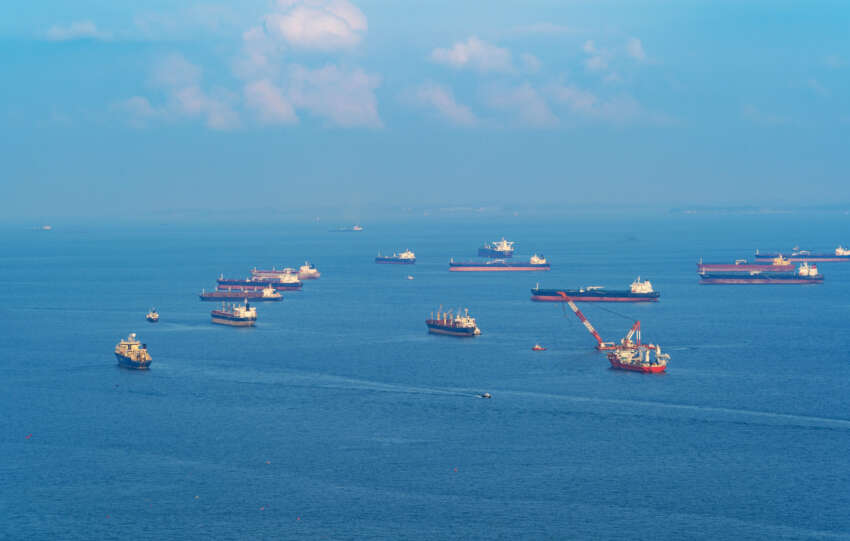
Something uncomfortable is happening in global markets right now. Oil prices have surged from around US$70 to above US$100 a barrel, touching US$103 at Friday’s close, after the US-Israel war with Iran effectively shut down the Strait of Hormuz, the narrow waterway that carries roughly one-fifth of the world’s oil supply. Wall Street strategists are dusting off a word that tends to unsettle investors: stagflation. Back home, the RBA has already hiked rates once this year, and Governor Michele Bullock has made it clear every future meeting is now “live” for another move. So what does this mean for your ASX portfolio?
What are the Best ASX Stocks to invest in right now?

Why Stagflation Is Scary, But Not a Crisis
Stagflation is what happens when inflation stays high at the same time as economic growth slows. The reason central banks hate it so much is that there is no good policy response. Cut rates to support growth, and inflation gets worse. Hike rates to fight inflation, and growth slows further. It is a genuine lose-lose for policymakers.
That said, we believe the current risk is real but manageable. This is not the 1970s. Back then, a wage-price spiral took hold, where rising prices led to higher wages, which led to even higher prices in a vicious cycle. Workers today simply do not have that kind of bargaining power. JPMorgan’s chief global strategist, David Kelly, captured it well, saying investors could use the word “stagflation” with a “very little s.” Think of it as a slow squeeze, not a collapse.
What It Means for Australian Investors
Rate cuts are now completely off the table. All four of Australia’s big banks, CBA, Westpac, NAB, and ANZ, are now forecasting a 25 basis point hike at the RBA’s two-day meeting starting today, with the final decision due tomorrow afternoon, which would push the cash rate to 4.10%. A further hike to 4.35% is expected in May. Every ASX sector that relies on low rates to justify its valuation has just become harder to own. That includes the big banks, listed property trusts, and high-growth technology stocks. The environment has shifted, and investors should adjust their thinking accordingly.
ASX Stocks That Win and the Stocks That Lose
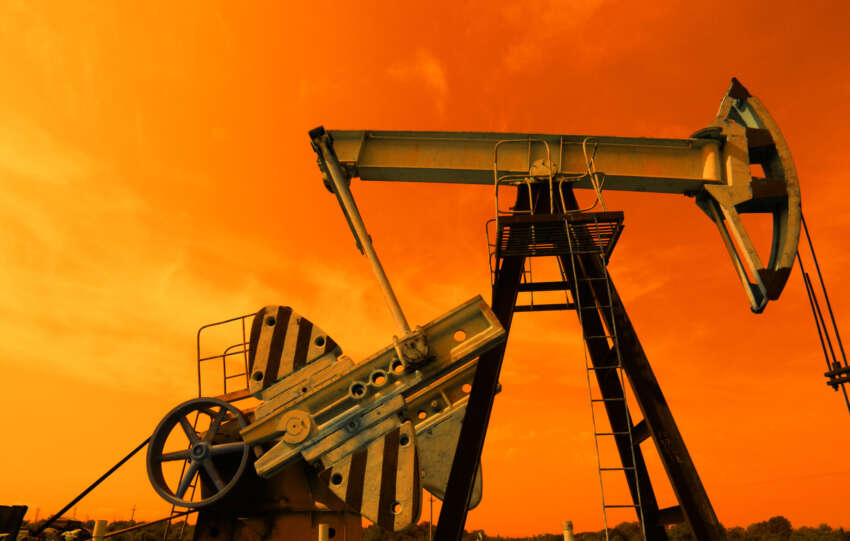
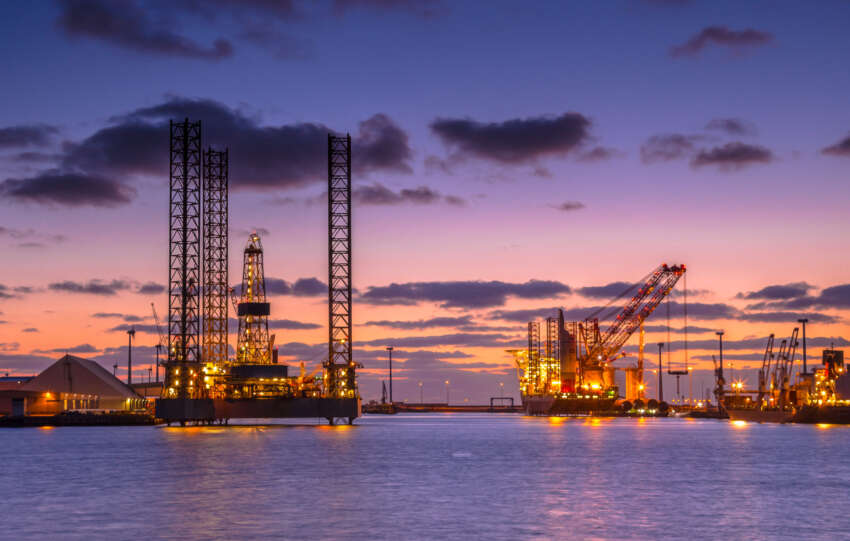
The clearest winners in stagflation are the companies selling the very things causing the inflation. Australian energy producers like Woodside (ASX: WDS) and Santos (ASX: STO) earn more when oil prices rise. Gold miners, including Northern Star (ASX: NST) and Evolution Mining (ASX: EVN), also tend to perform well when economic uncertainty is high and investors seek safe havens. Whitehaven Coal (ASX: WHC) is another name worth watching, as energy buyers globally scramble for alternatives to disrupted Gulf supply.
On the other side, REITs face the most direct pain because higher rates compress the yield advantage that makes property trusts attractive in the first place. Airlines like Qantas (ASX: QAN) are being squeezed from both ends, paying more for fuel while facing the risk of softening consumer demand. Growth tech stocks with stretched valuations are also vulnerable when the cost of capital rises.
What Should You Do?
Do not panic, but do not ignore the shift either. In our view, now is a reasonable time to trim heavily rate-sensitive positions where valuations look stretched. Energy and gold stocks are worth adding on dips rather than chasing after strong runs. Most importantly, watch the Strait of Hormuz. One genuine peace signal could unwind the oil premium quickly, reversing many of these sector dynamics almost overnight.