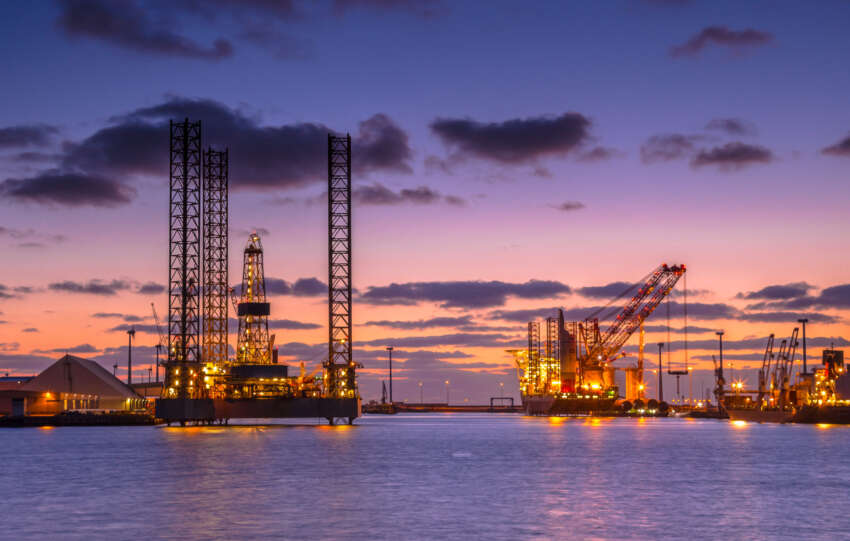
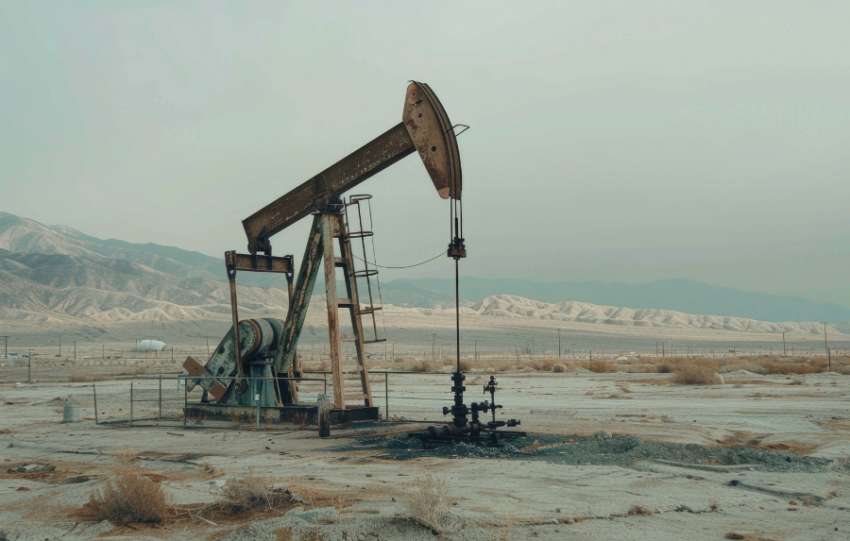
ASX Energy Stocks Hit by UAE OPEC Exit
The United Arab Emirates announced this week that it will leave OPEC on 1 May 2026, ending nearly 60 years of membership. The UAE was OPEC’s third-biggest producer after Saudi Arabia and Iraq. It will also leave the wider OPEC+ group. The news shocked global oil markets and raised big questions about the future of oil price control. For Australian investors, this matters in two ways. ASX energy stocks now face more uncertainty about where oil prices go next. But sectors hurt by high inflation could benefit if oil eventually falls. Here is what you need to know.
What are the Best ASX Stocks to invest in right now?

Why The UAE Is Leaving, And Why It Matters
The UAE has pushed against OPEC quotas for years. Under the OPEC+ deal, it was producing about 3.4 million barrels per day. But it has invested heavily and built capacity close to 4.8 million barrels per day, with plans to reach 5 million by 2027. Staying inside OPEC meant leaving that extra capacity sitting idle.
The Strait of Hormuz remains effectively closed because of the Iran war, now in its ninth week. Brent crude is trading around US$114 per barrel, more than 50% above pre-war levels. UAE Energy Minister Suhail Al Mazrouei said the timing was chosen to cause minimum disruption while supply is already tight.
In our view, this exit is bad news for oil prices over the medium term. Once the Hormuz problem eases, the UAE will be free to ramp up production fast. Rystad Energy’s Jorge Leon said OPEC will become “structurally weaker” with less spare capacity to manage prices.
What This Means For ASX Energy Stocks
The short-term picture is mixed because Hormuz is still shut, keeping prices high. But over the next 6 to 12 months, lower oil prices could squeeze ASX producers.
Most exposed to lower oil prices are Woodside Energy (ASX:WDS), Santos (ASX:STO) and Karoon Energy (ASX:KAR). All three earn most of their revenue directly from crude prices.
Refiners actually benefit when oil falls, because their input costs drop. Ampol (ASX:ALD) and Viva Energy (ASX:VEA) could see better margins if crude weakens, while petrol prices at the pump take time to follow.
Woodside is partly protected by its LNG business, which provides a buffer against pure crude weakness. But the share price will still move with global oil benchmarks.
The Investor’s Takeaway
We believe this is the start of a multi-year shift, not a one-week story. The immediate price impact is limited because Hormuz is still closed. But the long-term direction for oil tilts lower as OPEC’s grip on prices weakens.
For positioning, we believe investors should reduce heavy exposure to pure oil producers like WDS, STO and KAR and consider rotating into refiners ALD and VEA. Gold stocks like Northern Star (ASX:NST) remain attractive given the ongoing Middle East risk.
The key risk is Saudi Arabia’s response. Saudi Arabia could accept the exit, try to redo the OPEC+ deal, or start a price war. Watch the next OPEC+ meeting closely. Lower oil prices over time would also ease pressure on Australian inflation, which printed at 4.6% this week.