US Markets Overnight saw the semiconductor reckoning we knew might come
Friday’s session on 5 June was, to put it gently, a bloodbath for anyone long technology. The semiconductor selloff that began with Broadcom’s guidance disappointment earlier this week escalated into a full-blown rout, erasing more than a trillion dollars in market value from chip stocks alone.
A much hotter than expected May jobs report poured petrol on the fire, sending Treasury yields surging and triggering a violent rotation out of growth and into defensives. The Nasdaq cratered 4.2% for its worst single session since the tariff chaos of April 2025, while Nvidia and Tesla both shed more than 6%. US markets overnight delivered the kind of session that makes you grateful your super fund has some bonds in it.
A blowout jobs report left everyone exposed
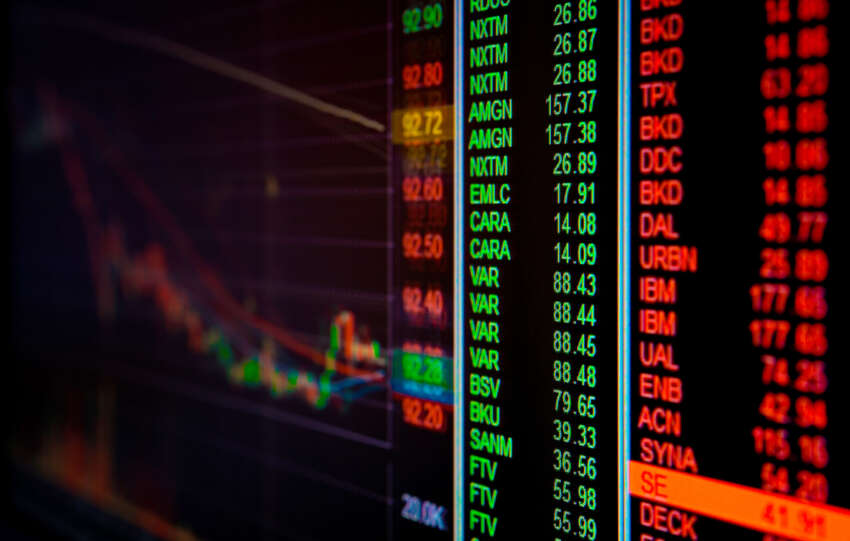
The Nasdaq Composite plunged 4.2% to close at 25,709, a fall that wiped out the best part of two weeks of gains in a single afternoon. The S&P 500 shed 2.6% to finish at 7,384, snapping its nine-week winning streak. The Dow Jones dropped 695 points, or 1.4%, to 50,867, giving back a chunk of Thursday’s record-breaking rally. Even the Russell 2000, which had been riding the rotation trade all week, got caught in the undertow, tumbling 3.6% as rising yields punished small caps alongside their larger peers.
The catalyst was the May nonfarm payrolls report. The US economy added 172,000 jobs, more than double the 80,000 to 85,000 that economists had pencilled in, while unemployment held steady at 4.3%. The 10-year Treasury yield immediately jumped above 4.5% and the 30-year breached 5%, levels that reignited fears about borrowing costs for the very companies building out AI infrastructure at breakneck speed.
Gold was hammered, falling below $4,370 an ounce to its lowest level since March, as a stronger dollar and rising rate expectations crushed the precious metal. WTI crude slipped to around $92. Bitcoin continued its freefall to around $60,000, hitting a 19-month low as spot ETF outflows extended to record levels. The VIX spiked as the fear gauge finally caught up with the carnage underneath.
Nvidia and Tesla take the hits, Alphabet dodges the bullet
The Magnificent 7 were uniformly red on Friday, but the damage was far from evenly distributed. Nvidia ($205, -6.2%) bore the brunt alongside the broader semiconductor complex, with its market capitalisation slipping below $5 trillion as CEO Jensen Huang’s Asia tour provided little insulation from the selling. Tesla ($391, -6.6%) was the session’s biggest percentage loser among the group, extending its losing streak as the looming SpaceX IPO on 12 June continues to pull capital and attention toward Musk’s other venture.
Meta ($593, -5.5%) was punished after reports surfaced that the social media giant is looking at selling billions in new shares to fund its AI infrastructure buildout, just days after Alphabet completed its own $80 billion equity raise. The market’s message was blunt: if every mega-cap tech company is diluting shareholders to fund AI capex that may not generate returns for years, the risk-reward equation shifts. Amazon ($246, -3.1%) took a meaningful hit as rising yields pressured the high-capex AI infrastructure story, and Microsoft ($417, -2.7%) was dragged lower along with the broader tech tape.
The surprise of the session was Alphabet ($366, -1.0%), which barely flinched while everything around it burned. Having already absorbed its own equity raise sell-off in prior sessions, and with Thursday’s 3.8% Palantir partnership rally still fresh, Alphabet appeared to be the one Mag 7 name where the bad news was already priced. Apple ($307, -1.2%) held up similarly well, buoyed by its lower AI spending exposure and anticipation of WWDC 2026, which kicks off on Monday. Both names outperformed the Nasdaq by a wide margin, a reminder that in a rout, the stocks that have already corrected sometimes weather it best.
The semiconductor reckoning arrives with a 10% crash in the SOX
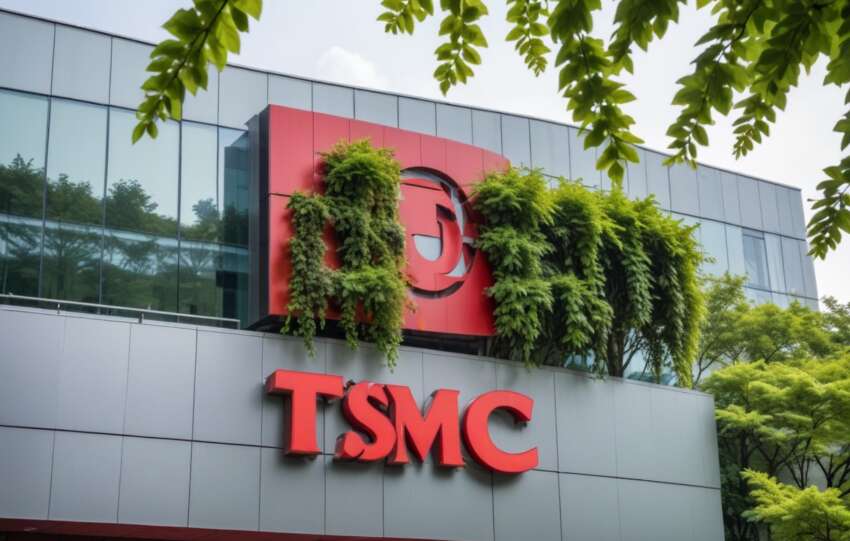
If Thursday was a warning shot from Broadcom, Friday was the artillery barrage. The SOX semiconductor index posted its worst session since the tariff panic of April 2025, down more than 10% (!) with the sector erasing more than $1 trillion in market value. Broadcom continued its meltdown, now down roughly 23% from Wednesday’s close. AMD, Micron, and Qualcomm were all hammered around 9%, casualties of the market’s sudden scepticism toward AI chip valuations. Even Micron’s endorsement from Jensen Huang, who explicitly named the company as a key HBM4 supplier during his South Korea visit, couldn’t stem the bleeding.
As we recently warned on Stocks Down Under, the semiconductor sector had been pricing for perfection after a blistering rally that saw SOX surge more than 170% in a year. Broadcom’s failure to raise guidance was the crack, the hot jobs report was the hammer, and the Meta equity raise rumour was the last excuse for profit-taking. In US markets overnight, the question has shifted from whether chips can keep rallying to whether this is a healthy pullback or the start of something uglier.
One thing worth watching
Apple’s Worldwide Developers Conference begins on Monday, 8 June, with the keynote expected to showcase major upgrades to Apple Intelligence and Siri. For Australian investors watching US markets overnight, WWDC is the week’s most important event because a strong AI showing could provide a lifeline for tech sentiment after this week’s bruising.
Beyond that, CPI data lands on 10 June, an ECB rate decision follows on 11 June, and the SpaceX IPO is set for 12 June at a reported $135 per share and a $1.8 trillion valuation that has already drawn scepticism from several analysts. After a week that wiped trillions from the market, the calendar is stacked with catalysts that could either stabilise or accelerate the sell-off.