KEY POINTS
- Viva Energy (ASX:VEA) fell about 2.4% even though it confirmed its Geelong refinery is running again after April’s fire, with output back above 90% of capacity.
- The catch: one key unit, the Alkylation unit, stays offline through 2027, so the refinery will run at slightly reduced capacity for about 18 more months.
- The restart was flagged back in May, so the good news was already expected. Strong recent refining margins were helped by global supply disruption, and that boost may not last.
- Insurance claims are still being worked through, so the full financial hit is not yet clear.
Viva Energy (ASX:VEA) shares fell about 2.4% to A$2.08 on Tuesday, even after the company confirmed some good news: its Geelong refinery is back up and running after April’s fire, with production restored to over 90% of capacity. At first glance, a falling share price on positive news looks odd. But the market tends to look ahead, and right now it is focused on what did not get fixed. One key part of the refinery stays offline until 2027. So why did investors sell the recovery, and is the dip a chance to buy?
What Recovered, and What Didn’t
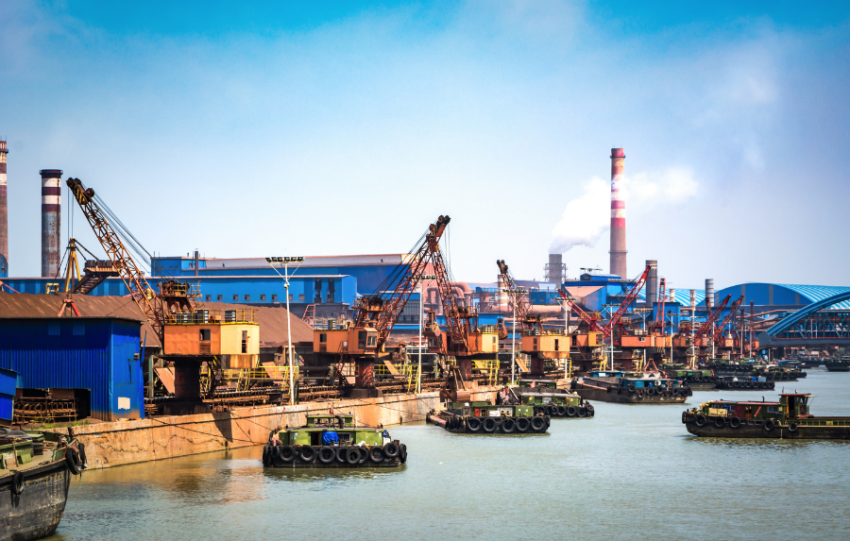
The good news is real. Viva Energy restarted the unit known as the RCCU, which turns heavy crude into petrol and other higher-value fuels. With it back online, the refinery is running above 90% of capacity again, and Viva says fuel supply to customers is steady.
The catch sits with a second unit. The Alkylation unit, which helps turn LPG by-products into gasoline, will stay offline through 2027 while Viva Energy decides whether to repair or replace it. That means the refinery runs at slightly reduced capacity for roughly 18 more months. Early findings point to a piping failure in that unit as the cause of the fire.
Why does this matter beyond Viva? Geelong is one of only two refineries left in Australia. It supplies about 10% of the nation’s fuel and roughly 50% of Victoria’s. So its output is important for the whole market, not just the company. In our view, the restart is genuine progress, but the 2027 gap means this is a partial recovery, not a clean all-clear.
Why the Market Looked Past the Good News
Three things explain the sell-off. First, the restart was already flagged in early May, so investors had been expecting it. That often leads to a classic “buy the rumour, sell the news” reaction once the event actually lands.
Second, recent profits from refining were unusually strong. The Geelong Refining Margin, basically the profit made on each barrel, averaged US$23.9 across April and May. But that was helped by global supply disruption around the Middle East. With that situation still volatile, the boost may not last.
Third, the insurance side is unclear. Viva Energy is working with insurers on both property damage and lost-profit claims, but the size and timing of any payout are not yet known.
On top of all this, Viva has been a laggard. Over the past year, its shares have been down about 1%, while the ASX 200 has risen about 4%, so the market was already cautious.
The Investor’s Takeaway for Viva Energy
The restart removes a big near-term worry, and it is worth remembering that Viva is more than its refinery, with a large fuel retail and infrastructure network behind it. But the 2027 Alkylation gap, the unclear insurance outcome, and volatile refining margins mean the recovery is not clean.
Our take: This looks more like a hold than a clear buy today. For the bull case to build, investors will want a firm repair or replacement plan for the Alkylation unit, steadier refining margins, and clarity on the insurance recovery. Patient investors who are comfortable with the energy cycle may see value in weakness. More cautious investors may prefer to wait for those answers before adding, given the stock has given little away over the past year.