Investment Case Summary
- A 7.13% TREO headline sample and 100% anomalous hit rate validate the Music Valley HREE geological model.
- The Colosseum US$249m funding gap still drives the stock, but Music Valley adds a second uncorrelated catalyst thread.
- A drill-ready resource sits 12 months plus away, so patience is required despite eye-catching surface grades.
All 33 first-pass samples came back anomalous, giving the Colosseum story a second leg.
First-pass rock chip programs rarely return a 7.1% headline number. They almost never return a 7.1% headline number alongside a 100% hit rate on anomalism across every sample submitted. Today’s update from Dateline Resources (ASX:DTR) delivered both.
The Music Valley Heavy Rare Earth Project sits in Riverside and San Bernardino Counties in California, consolidated by Dateline in March. This is the first modern exploration of ground where the USGS flagged HREE mineralisation back in the 1950s and then walked away. Thirty-three samples went to the lab. Thirty-three came back anomalous.
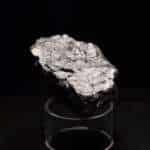
The standout was DC-9A at 71,274 ppm TREO, or 7.13%, with a 30.5% magnet rare earth mix and a healthy Y-HREE tail. Two other samples in the same southern target zone, sitting 650 to 800 metres apart, returned 2.32% and 1.07% TREO. The northwest target then delivered a 200 metre strike of consistently anomalous outcrop.
For a company whose value has been anchored to the Colosseum gold financing conversation, this is the update that reminds the market a second, uncorrelated story sits inside the same portfolio.
Why a 100% hit rate on first-pass sampling actually matters
In greenfield REE work, a first-pass rock chip program that returns anomalous grades on every single sample is unusual. It means the geological model, the targeting driven by radiometric anomalies, and the mapped Pinto Gneiss unit are all lining up in the field.
The correlation between ground radiometric readings and assay grade also does real work. DC-9A sat under a 2,335 µR/h reading, comfortably the highest in the program, and returned the highest grade. That relationship gives the team a cheap, fast tool for prioritising the next round of mapping and drill target definition.
The chondrite-normalised plots tell the second useful story. All samples share a coherent signature with a europium dip and a yttrium kick. That points to a related geochemical population rather than a scatter of unrelated hits, which is what you want to see before spending real money on drilling.
The Colosseum lens still frames the stock, but the second leg is emerging
Regular readers of our coverage know the DTR story has been dominated by the Colosseum gold project. The May Bankable Feasibility Study delivered a US$785 million pre-tax NPV at a 49.5% IRR, the DOJ then filed in Dateline’s favour on the Plan of Operations litigation, and the chairman wrote a A$1.95 million cheque to lift his stake to 15.3%.
All of that has kept the market focused on one question. Can Dateline close the US$249 million funding gap without dilutive equity? That question is still live.
What today’s release does is add a second option on the same acreage. Music Valley is not being financed alongside Colosseum, it does not need to be. It sits as pipeline optionality that the market has essentially been getting for free.
What still has to happen before this becomes a resource story
We would caution against extrapolating 7.13% grades into anything more than what they are, which is a single outcrop sample from a first-pass reconnaissance program. The next phase is infill rock chips, soil sampling, petrography and mineralogy work to confirm the host minerals.
Drill targeting comes after that, and drilling itself is subject to permitting and land access on federal ground in California. That process is not fast. The skeptical read is that Music Valley will not deliver a JORC resource inside the next 12 months.
The counter is that the geological setting, proximity to Mountain Pass, and the surface signature are all the sort of thing US critical minerals policy is actively looking to fund. Optionality that sits inside a supportive policy environment tends to price up before the resource lands.
The Investors Takeaway for Dateline Resources
The Colosseum financing decision remains the single biggest swing factor for the stock over the next year. But investors now have a second thread to track, and it is one where the newsflow cadence is likely to be higher and the cost of progress much lower than a US$249 million gold build.
Our read is that the market has been pricing DTR almost entirely as a Colosseum gold story with an HREE afterthought. Today’s assays make that afterthought harder to ignore. The follow-up mapping, infill sampling and mineralogy program should produce a steady drip of updates through the second half of the year, and each one has the potential to shift how the sum-of-the-parts case gets valued.
Investors can read our previous coverage of the Colosseum financing and DOJ litigation setup at stocksdownunder.