ANZ Shares Slip Despite Strong Profit Growth
ANZ Group Holdings (ASX:ANZ) just released one of its strongest half-year results in years, but the share price tells a different story. Cash profit jumped 70% to A$3.78 billion, the dividend was held at 83 cents, and franking was boosted to 75%. Yet shares fell 2.84% on Friday to close at A$35.61, putting the bank into negative territory for 2026. So is this a chance to buy a quality bank at a better price, or is the market trying to tell us something?
The result itself is hard to argue with. We think it is the clearest sign yet that CEO Nuno Matos’s turnaround plan is working. But banks live and die by what comes next, and that is where investors have started to pause.

ANZ Delivers Its Strongest Half in Years
The 70% profit jump is real, not just an accounting trick. Even after stripping out one-off items from last year, the underlying cash profit was still up 14%. That is genuine progress.
What we like most is where the improvement came from. Operating expenses fell sharply, putting ANZ halfway to its A$800 million cost-cutting goal for the year and improving the cost-to-income ratio to 49.4%. For a bank, getting costs under control is often the hardest part of any turnaround, and ANZ is clearly making headway.
Income investors got a quiet but meaningful win too. The interim dividend was held at 83 cents per share, but franking moved up from 70% to 75%. That franking boost is worth more than it looks because franking credits help offset tax for Australian shareholders. The capital position also got stronger, giving ANZ a comfortable buffer to keep paying dividends and handle any future shocks.
Why the Market Is Still Worried
So why are shares falling instead of rallying? The answer lies mostly outside ANZ.
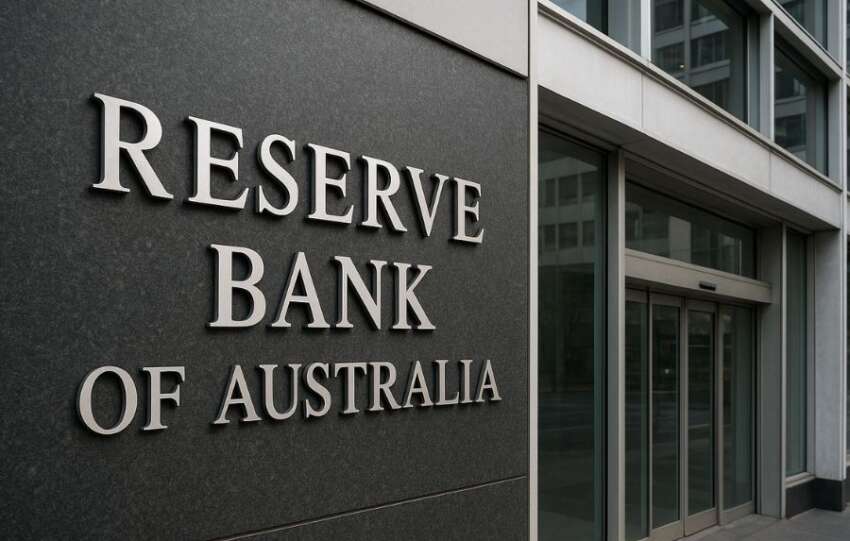
Markets are now pricing in around a 70% chance of an RBA rate hike at the next meeting. That sounds positive for banks because higher rates usually widen profit margins. The problem is that rates have already risen sharply this year, and another hike would put more pressure on borrowers. ANZ itself flagged this risk, taking a A$126 million collective provision charge this half, which included a specific A$175 million buffer for the potential economic fallout of the Middle East conflict.
There is also the question of what comes after the easy wins. Cutting costs lifts profit quickly. Growing revenue in a slower economy is much harder. ANZ’s core lending business actually grew more slowly this half, which is why the headline jump was driven mostly by cost cuts, not by the bank doing more business.
The Investor’s Takeaway for ANZ
In our view, this result genuinely strengthens the case for ANZ as an income stock. The 83-cent dividend with the new 75% franking looks attractive at current prices, and the cost-cutting story still has room to run. For existing shareholders, this is a result worth being patient for.
For new investors, we would be more careful. The stock now trades at a slight discount for the year, but the bigger driver in the short term is the wider economy, not ANZ itself. If the RBA hikes again and households start to struggle, all banks could come under pressure regardless of how well they are run.
The bigger picture is that ANZ has gone from being the problem child of the Big Four to a credible comeback story. Whether that turns into a higher share price will depend on whether revenue can finally catch up with the cost discipline already on display.