The ASX 200 dropped to a fresh 7-week low on Wednesday, closing down 1.26% at 8,496.6, a fall of 108 points on the day. The index is now down roughly 5% over the past month. With banks and miners both sinking and the selling spread across most of the market, this looks less like a problem with any single stock and more like the whole market being re-priced at once. The reason sits thousands of kilometres away, in the global bond market. And understanding it is the key to knowing how worried you should actually be.
What are the Best ASX Stocks to invest in right now?
What Rising Bond Yields Actually Do to Shares
Government bond yields, particularly long-dated ones, have been climbing fast. The US 30-year yield recently hit its highest level since 2007, and the 10-year reached a 16-month high.
That may sound like a problem only for bond traders, but here’s why it matters for your shares. A company’s value today is essentially the sum of all the profits it’s expected to make in the future. When bond yields rise, investors apply a bigger “discount” to those future profits, because they can now earn a safer return just by holding a bond instead.
The result: the same company, with the same earnings, is suddenly worth less on paper. Nothing about the business has changed, only the maths investors use to value it. This is why a market can fall hard even when no bad company news has come out.
Which ASX Sectors Are Feeling It Most
The pain isn’t spread evenly. The hardest-hit areas are the ones whose value depends most on profits far into the future.
High-growth technology stocks are sensitive because much of their expected reward is years away, and that distant reward shrinks most when the discount rate rises. Property trusts (A-REITs) are exposed too, since they carry debt and compete directly with bonds for income-focused investors.
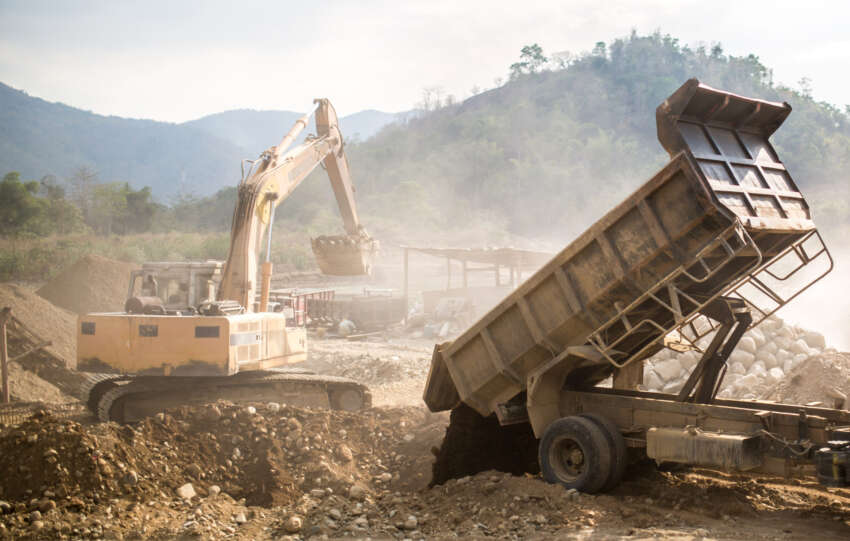
Meanwhile, the market’s heavyweights are dragging the index down by sheer size. Mining giants BHP (ASX: BHP) and Rio Tinto (ASX: RIO) have both fallen more than 2%, and all four major banks are lower. When Australia’s biggest companies slip together, the ASX 200 has very little holding it up.
What This Means for ASX Investors
Here’s the encouraging part. A sell-off driven by bond yields is a valuation re-rating, not a sign that Australian businesses are breaking. Banks are still lending and miners are still digging, the market is simply paying less for those earnings today.
That distinction matters. For long-term investors, this kind of pullback can hand quality companies to you at better prices, particularly if you focus on businesses with strong balance sheets and reliable earnings rather than the most rate-sensitive names.
The key risk is that this isn’t over yet. Inflation pressures remain, which keeps the RBA’s next move firmly in focus. Bond yields could climb further before they settle, so patience, not panic, is the sensible stance.
In our view, the better question isn’t “why is the market down?” but “which companies are worth buying while it is?”