Atlas Arteria Jumps on IFM Takeover Bid
Atlas Arteria (ASX:ALX) jumped 13% on Monday to A$4.91 after IFM Global Infrastructure Fund launched a surprise A$6.89 billion hostile takeover bid. IFM already owns 34.5% of the company. It is now offering A$4.75 per share in cash. That price rises to A$5.10 if IFM’s stake reaches 45% before the offer closes.
The board told shareholders to take no action. It established an Independent Board Committee and engaged UBS, Flagstaff and Mallesons as advisers. The big question for the 65% of shareholders now in play: take the cash or wait for a higher bid? In our view, this is the opening move, not the final price.
What are the Best ASX Stocks to invest in right now?
Why The A$4.75 Bid Falls Short Of Atlas Arteria’s Fair Value
The bid is only a 10% premium on Friday’s close. Even the conditional A$5.10 price sits below the A$5.54 that ALX traded at in the past 12 months. That is unusual for a hostile bid in Australia, where 25-35% premiums are standard for quality assets.
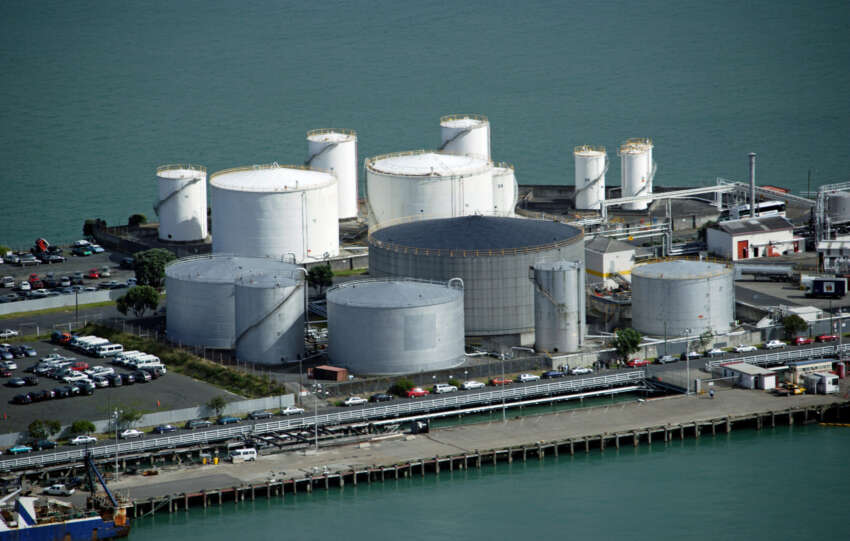
We don’t think the lower premium is justified. Atlas Arteria owns major toll roads in France, Germany and the United States. These include its prized stake in the APRR motorway network in France and the Chicago Skyway in the US. These are steady businesses. The toll roads keep generating cash whether the share market is up or down. The dividend has been maintained.
The recent share price weakness has more to do with rising interest rates putting pressure on all infrastructure stocks than anything wrong with ALX itself. The most recent analyst price target sits at A$5.43, above even IFM’s conditional A$5.10 ceiling. That is what independent analysts thought Atlas Arteria was worth before IFM showed up.
The Sydney Airport Precedent: IFM Has A History Of Raising Its Bids
Here is what most coverage has missed. The same IFM that is bidding for Atlas Arteria today led the Sydney Airport takeover in 2021. The negotiations there played out almost exactly like this.
In July 2021, IFM opened with a bid of A$8.25 per Sydney Airport security. The board rejected it as “opportunistic.” In August, IFM raised the bid to A$8.45. Rejected again. In September, IFM came back at A$8.75, and the board finally recommended that offer to shareholders. Total uplift from first bid to final accepted price: 6.1%, achieved by holding firm. Spark Infrastructure followed the same playbook that same year. KKR opened at A$2.70, was rejected, raised to A$2.80, rejected again, and closed the deal at A$2.95, a 9.3% bump from the first offer.
The lesson for Atlas Arteria shareholders is clear. We believe IFM’s “best and final” language is a negotiating tactic, not a commitment. With 65% of the register still in play and a board that has just appointed top-tier advisers, the negotiation has only just started. In our view, applying the same uplift pattern to today’s A$4.75 base bid points to a realistic final price somewhere in the A$5.05–A$5.20 range if the board holds firm.
Three Choices For Atlas Arteria Shareholders Right Now
ALX shareholders have three real options.
Accept A$4.75 today. This locks in Monday’s 13% jump and removes all risk. We believe this only makes sense if you need cash now or have lost faith in the business. You are leaving at least A$0.35 per share on the table if the 45% trigger is met.
Hold for the conditional A$5.10. This is a better price, but it depends on IFM crossing the 45% ownership level before the offer closes. IFM only needs another 10.5% acceptance to trigger this. We believe the probability is more likely than not.
Reject and wait for a higher bid or rival bidder. This is where the Sydney Airport precedent matters most. If history repeats, the final accepted price could land in the A$5.05–A$5.20 range. The risk is that IFM walks away and ALX falls back to its pre-bid A$4.34, a 12% drop from here. Logical rival bidders include Brookfield, Macquarie Asset Management, and CDPQ.
The Investor’s Takeaway
In our view, this bid is well below fair value. The 10% premium is too thin for a hostile bid on quality infrastructure. The conditional A$5.10 ceiling still falls short of analyst price targets. And IFM has form for raising its bids when met with disciplined resistance.
For long-term holders, the right move is to sit tight and wait for the Independent Board Committee’s formal response. UBS and Flagstaff will deliver a fair-value assessment that shapes what happens next. Selling at A$4.75 before that work is done means giving up the most important piece of information.
For short-term traders sitting on Monday’s gain, taking some profit makes sense given the risk that the deal collapses. But the upside-downside maths still favours holding most of the position. Downside if IFM walks: roughly 12%. Upside if precedent repeats: 6–9% from current levels.
What to watch from here: the timing of the Independent Board Committee’s response, any sign of a rival bidder emerging, and whether IFM extends the offer if the 45% trigger isn’t met early. Each will reshape the picture. For now, this story has chapters left to run.