In this article, we look at why you may want to invest in commodities.
To cut to the chase, we think investors should consider to invest in commodities. It is an excellent way to diversify your portfolio and add a layer of protection against market volatility. But there are several different ways that individuals can invest in commodities, including both physical investments and financial instruments. We go over some of the ways to invest in commodities as well as some of the key risks and 5 of the most popular commodities invest in.
What are the best stocks to buy right now?
Check out our buy/sell tips

How to invest in commodities
If you invest in a resources, energy or commodity stock (gold mining stocks for instance) on an exchange like the ASX, you are already investing in commodities, albeit indirectly. These companies’ fortunes will fluctuate substantially dependant on commodity prices. But what if you want go directly invest without the risk of a company running into the ground because of bad management?
One of the most common ways to invest in commodities is through futures contracts. Futures contracts allow investors to buy or sell assets at predetermined prices and at specific dates in the future. This type of investment is usually used to hedge against inflation or other market forces that can affect commodity prices. You can invest in them through dedicated metals exchanges like the London Metals Exchange (LME).
Exchange-traded funds
Another option for investing in commodities is through exchange-traded funds (ETFs). ETFs are investment funds that track a particular basket of commodities, such as gold or crude oil. ETFs provide investors with exposure to a range of commodities without the need to purchase or store physical assets. Some may provide exposure to a portfolio of companies. But it is important to do one’s homework, not just look at the name of an ETF and think they know it all.
Finally, it’s also possible for investors to buy and sell physical commodities themselves. This involves purchasing hard assets such as gold bars, coins, or other forms of precious metals. This type of investment requires careful research and knowledge of the markets in order to achieve the best returns.
The benefits of investing in commodities
Commodities provide stability and are often seen as a hedge against market volatility. In addition to providing stability and diversification, commodities also offer potential for growth. As the world economy continues to grow and develop, demand for certain commodities can increase, leading to higher prices for those items. For example, as global population grows and populations become more affluent, strong demand is created for oil and agricultural products which can result in increased returns on investments.
Investing in commodities can be an excellent way to diversify your portfolio and take advantage of potential growth opportunities. But, as with any investment, it’s important to have realistic expectations when investing in commodities and know the key risks.
Of course there’s risk too
The most important of these risks is that prices can fluctuate significantly and very suddenly. There are no guarantees of which way they will go no matter what analysts say. Commodity investments also come with certain tax implications that may be unique compared to other investments. For instance, gains from the sale of physical commodities might be taxed at a different rate than investments like equities and properties. Furthermore, it’s important to understand how international regulations may affect your investments in commodities traded on certain global exchanges – this includes (but is not limited to) tax laws.
5 of the most common commodities that investors buy
1. Gold
Gold remains one of the most widely held commodities because it functions as both a store of value and a hedge against macroeconomic instability. Unlike most assets, it is not tied to cash flows, which makes its valuation more sentiment and macro-driven. Investors typically turn to gold during periods of inflation, currency debasement, or geopolitical uncertainty.
Its inverse relationship with real interest rates is particularly important; when real yields fall, the opportunity cost of holding a non-yielding asset declines, making gold more attractive. Central bank buying has also become a structural support in recent years, reinforcing its role as a reserve asset. However, gold can underperform during periods of strong economic growth and rising real rates, when capital rotates toward risk assets or income-generating securities.
2. Oil
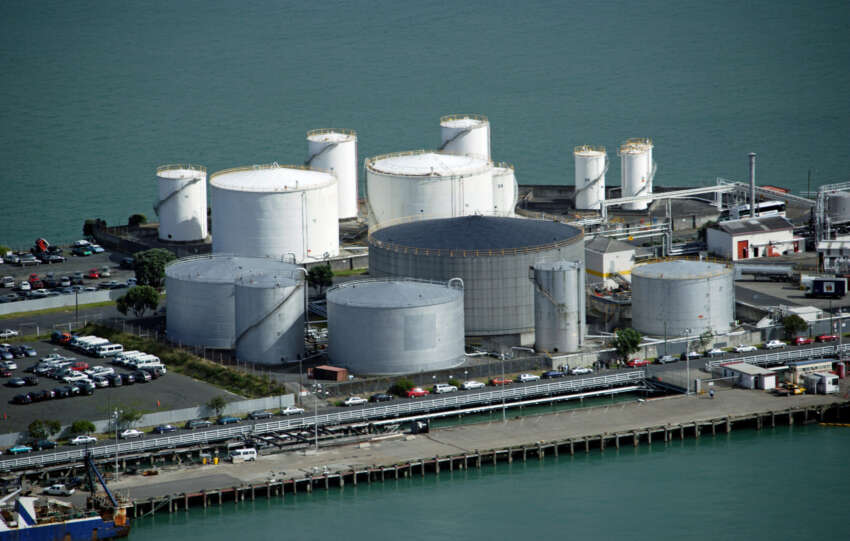
Oil, particularly Brent and West Texas Intermediate crude, is central to global economic activity and therefore a key commodity for investors. It is both a cyclical and geopolitical asset, influenced by supply-demand dynamics as well as external shocks such as conflicts or production decisions by major exporters. Investors often use oil as a proxy for global growth, as demand tends to rise with industrial activity and transportation.
Nonetheless, as the Iran war shows, supply constraints or disruptions can drive sharp price spikes, making it a way to benefit from geopolitical risk. Oil markets are also heavily influenced by production policy from groups like OPEC, which can restrict or increase output to stabilise prices. The volatility of oil makes it attractive for traders but also introduces risk for long-term investors.
3. Copper
Copper is often referred to as a “barometer of economic health” due to its widespread use in construction, manufacturing, and increasingly in electrification technologies. Demand for copper is closely tied to infrastructure spending, housing activity, and industrial production, particularly in large economies such as China.
More recently, the energy transition has added a structural demand tailwind, as copper is a critical input in electric vehicles, renewable energy systems, and power grids. Investors view copper as both a cyclical and structural growth commodity, which can lead to strong performance during economic expansions. At the same time, it is also sensitive to downturns, particularly if construction or manufacturing slows. Supply constraints, including declining ore grades and limited new discoveries, have added to the long-term investment case.
4. Iron ore
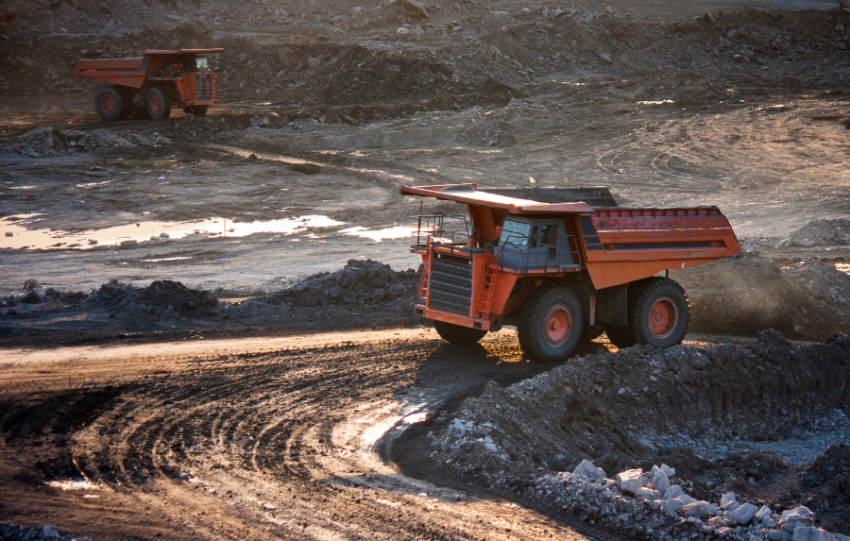
Iron ore is especially important for investors focused on Australia, given its outsized role in the earnings of major mining companies and the broader economy. It is the primary input in steel production, making its demand highly dependent on construction and infrastructure activity. As a result, iron ore prices are heavily influenced by economic conditions in China, which accounts for the majority of global steel production.
Periods of strong Chinese stimulus or property growth tend to drive prices higher, while slowdowns can lead to sharp declines. Unlike some other commodities, iron ore markets can be relatively concentrated on the supply side, with a few large producers dominating exports. This can lead to periods of price stability, but also sharp corrections when demand weakens.
5. Natural gas
Conclusion
If you invest in commodities you can diversify your portfolio and take advantage of potential growth opportunities. With the right strategy, commodities can help investors reach their financial objectives while providing stability and protection against market fluctuations.