Kasiya goes tier-one
Sovereign Metals (ASX:SVM) growth story is starting to come together quickly.
First, in March, the company secured a Mitsui & Co offtake agreement for up to 70,000t per year of rutile. A few weeks later, Kasiya upgraded its MRE, with Measured and Indicated rutile resources rising 32% to 16.1Mt and, importantly, delivering its first-ever Measured Resource.
Now the Definitive Feasibility Study has arrived, and this is where the story starts to move from promise to hard numbers. Backed by Rio Tinto’s technical team, the DFS outlines a project with a net present value of $2.2 billion and annual EBITDA of $476 million.
That matters because a DFS is the highest level of engineering and technical validation a mining project can reach before a construction decision. It is the point where investors can properly assess mining costs, operating costs, capex, revenue potential, and profitability using a far more detailed and credible dataset.
More importantly, the DFS is what banks, governments, and investors need before they are prepared to commit serious capital to build a mine. And on that front, Sovereign Metals now has a lot more working in its favour.
Rio Tinto’s Fingerprints Are All Over Sovereign Metals
Rio Tinto has been keeping a close eye on this project.
It now has a 90-day window, extendable to 180 days, to exercise its option to become the operator of Kasiya. If it does, Rio would also secure exclusive marketing rights to 40% of annual production. That means Rio Tinto could become a very substantial strategic partner in the mine, not just a passive investor.
Kasiya is now shaping up as a tier-one rutile project, which matters because rutile is the key feedstock for titanium and the highest-purity form in the market. That gives it premium pricing potential.
Titanium still feels underappreciated by many investors. Its use is expanding across fighter jets, commercial aircraft, armour, and increasingly robotics. As those end markets continue to grow, demand for titanium looks set to rise with them.
Reading the DFS Financial Model, What the Numbers Mean
The standout numbers here are clearly the $2.2 billion net present value and the 3x NPV-to-capex ratio. That is rare territory. Most large mining projects tend to sit closer to 1x to 1.5x.
A big reason Kasiya screens so well on that basis is location. Malawi gives the project access to established logistics corridors, including nearby ports and rail infrastructure. That is a genuine cost advantage and one of the factors that helps set this project apart.
The 23% IRR is just as important. It tells us the project is generating returns well above its cost of capital. For context, a typical mining project usually needs to clear a 12% to 15% hurdle rate to make sense for equity investors.
At 23%, Kasiya has a meaningful buffer. Even if commodity prices soften, costs come in higher than expected, or the discount rate moves against it, the project still has room to remain economically attractive. That kind of margin for error matters a lot in mining.
How the Mine Will Actually Work
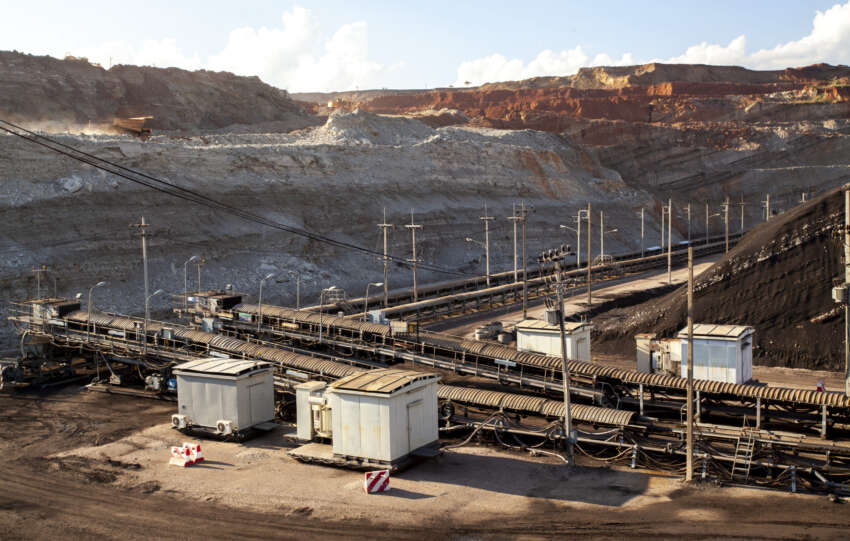
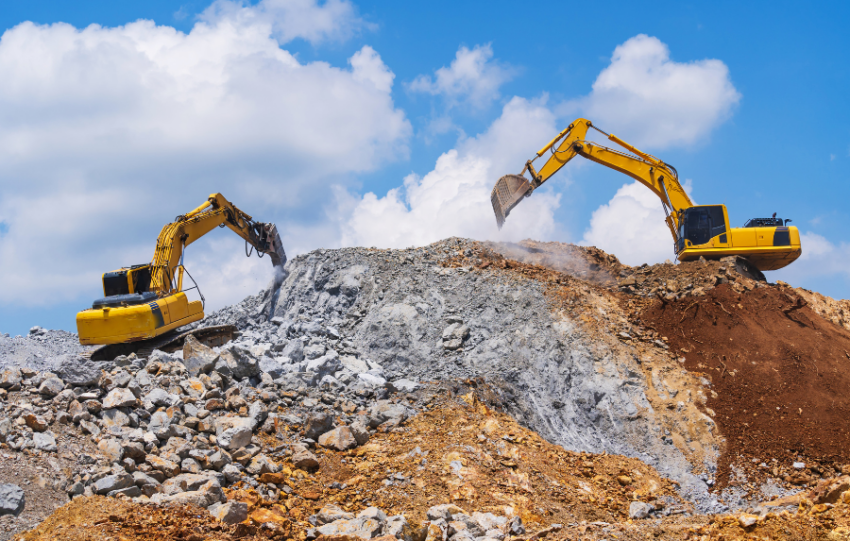
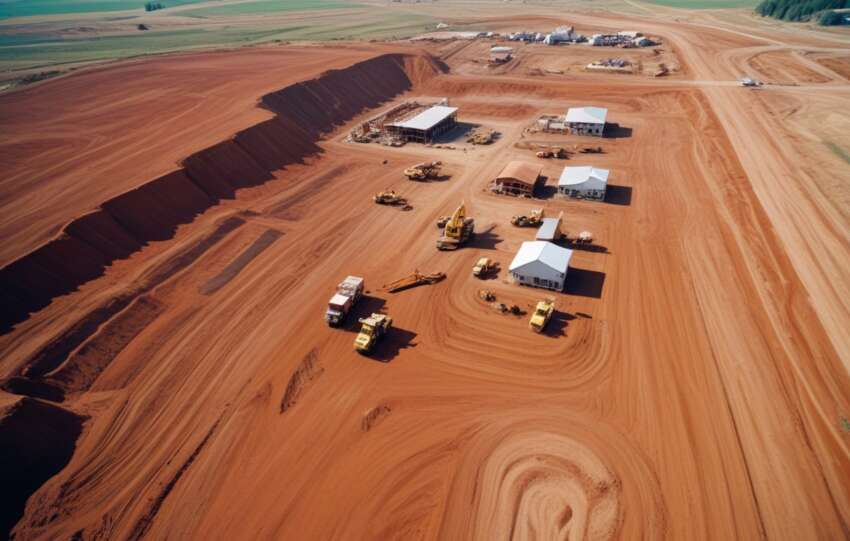
Sovereign Metals Kasiya’s orebody is soft, which is a major advantage. This is not a hard-rock mining project that requires heavy drilling, blasting, crushing, and milling through the production process. It is far closer to mining dense soil, and that is one of the biggest reasons operating costs are so low.
That cost profile is a big part of why this project stands out to us. Simpler mining usually means lower capex intensity, lower processing complexity, and fewer things that can go wrong once the operation is up and running.
Rutile re-rate setup
Sovereign Metals project we are watching closely. On top of the flake graphite and rutile opportunity, the company may also have a third revenue stream through monazite found within the deposit, which contains heavy rare earth minerals.
What makes that especially interesting is that Kasiya’s monazite concentrate has shown unusually high levels of Dysprosium, Terbium, and Yttrium. These are not ordinary rare earths. They are some of the most strategically important elements in the world, and all sit inside supply chains that are increasingly sensitive because of Chinese export restrictions.
With flake graphite, rutile, and the potential for heavy rare earth offtake agreements, this is a project investors should be keeping a close eye on.