KEY POINTS
- Only about 4% of SpaceX shares are actually available to trade. The other 96% are locked up.
- That tiny float is the main reason the stock is up more than 40% from its US$135 float price in just days.
- Index funds will soon be forced to buy SpaceX from an almost empty pool, and the market is already front-running it.
- The lockup releases shares in stages through the second half of 2026, with the largest unlocks late in the year.
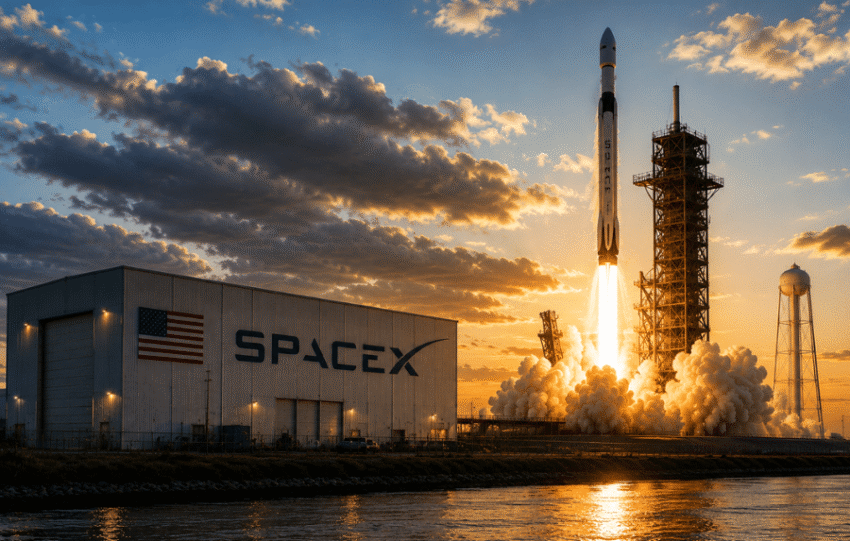
SpaceX (NASDAQ: SPCX) is now one of the biggest companies in the world by market value, worth around US$2.55 trillion (roughly A$3.9 trillion) following its historic June 12, 2026 listing on the Nasdaq. That is an incredible run for a stock only days old. But here is the part most people are missing. The size of the move has less to do with rockets or Starlink and more to do with a simple supply problem. Only a tiny fraction of SpaceX shares can actually be bought right now.
Why a 4% Float Sent the Price Flying
When SpaceX listed, it only sold about 4% of the company to the public. The other 96% is locked up, meaning insiders and early investors cannot sell yet.
Think of it like an auction where almost everything is bolted to the floor. A huge crowd of buyers, including retail investors, momentum traders and index funds, all rushed in to buy from a very small pile of shares. When lots of demand meet very little supply, the price shoots up fast. The stock has settled around US$194, still up more than 43% from its US$135 float price.
There is an extra twist making this worse. Because SpaceX is a multi-trillion-dollar company from day one, the Nasdaq has changed its rules to fast-track it into the Nasdaq-100 just 15 trading days after listing, which points to early July. Once that happens, passive funds like the giant Invesco QQQ will be forced to buy the stock whether they want to or not. That buying has not started yet, so what we are seeing now is the market racing to get in ahead of it. When it finally hits an almost empty pool of shares, the squeeze could get even tighter.
One limit is worth knowing, though. The S&P 500 has refused to fast-track SpaceX because the company is not profitable enough to meet its rules. So the forced buying is a Nasdaq-100 and MSCI story for now, not the much larger S&P 500 wave some investors may be expecting. That bigger event is off the table until at least mid-2027.
This matters because it tells you the rally is being driven by scarcity, not by new business results. SpaceX has not suddenly become more profitable. In fact, it reported a large net loss last year. The price is high because there is so little stock to go around.
What Happens When the Lockup Lifts
Here is the risk. The shares are released in stages through the second half of 2026, not all at once. The first insider shares are expected to free up around the company’s first post-IPO results in late July or August, with more following over the months after that, and the largest unlocks landing late in the year. Founder Elon Musk’s shares stay locked until mid-2027.
Why does this matter? Right now, demand is fighting over a tiny supply. As the lockup lifts, far more shares can be sold. If even a small share of insiders take profits, that extra supply can push the price down, reversing the same scarcity that drove the stock up.
What Should Investors Do?
None of this is a knock on SpaceX itself. The launch business, Starlink, and its AI ambitions are real and impressive. The caution is about the price you pay today, not the company behind it.
In our view, that makes chasing the stock here risky. The staged lockup releases through the second half of the year, especially the larger unlocks late in 2026, are the moments to watch. If the price holds up as those shares hit the market, that is a genuine sign of strength. If it sags, the run was mostly about scarcity. For patient investors, waiting for that clearer picture looks far smarter than buying into the squeeze.