Investment Case Summary
- Twelfth RCL patent extends the licensing platform into vanadium, a structurally growing critical mineral.
- La Blache confirms 143 metres at 0.48% V2O5, giving the new patent a real captive feedstock.
- No binding licensing deal yet exists, so commercialisation risk still sits at the centre of the thesis.
The IP moat widens as management pushes to reposition Temas as a metallurgy licensor, not an explorer
Temas Resources (ASX:TIO) has filed a new process patent covering vanadium extraction using its Regenerative Chloride Leach technology, or RCL, its proprietary mixed-chloride leaching system. The filing establishes a priority date of 8 July 2026 and marks the twelfth patent in the RCL portfolio across gold, iron, titanium, nickel, rare earths and now vanadium.
On paper this looks like another incremental IP announcement from a small Canadian critical minerals name. In practice it is a bit more interesting than that. Temas is deliberately building a dual-track business, one part mineral owner at its La Blache and Lac Brûlé projects in Québec, one part technology licensor of RCL across third-party ore bodies globally.
Every additional patent widens the surface area of what the licensing business can be sold against. Vanadium matters here because demand for the metal is tied to grid-scale batteries and specialty steel, both structurally growing end markets. The question for investors is whether the growing patent stack is quietly building a real licensing asset or simply papering over the slow grind of commercialisation.
Why the vanadium patent actually earns its place
The new filing follows metallurgical testwork on vanadium-bearing material from La Blache, where June re-assays confirmed intervals such as 143 metres at 0.48% V₂O₅ inside a broader Fe-Ti-V oxide system. That is a meaningful grade over a serious width for a hard rock vanadium host.
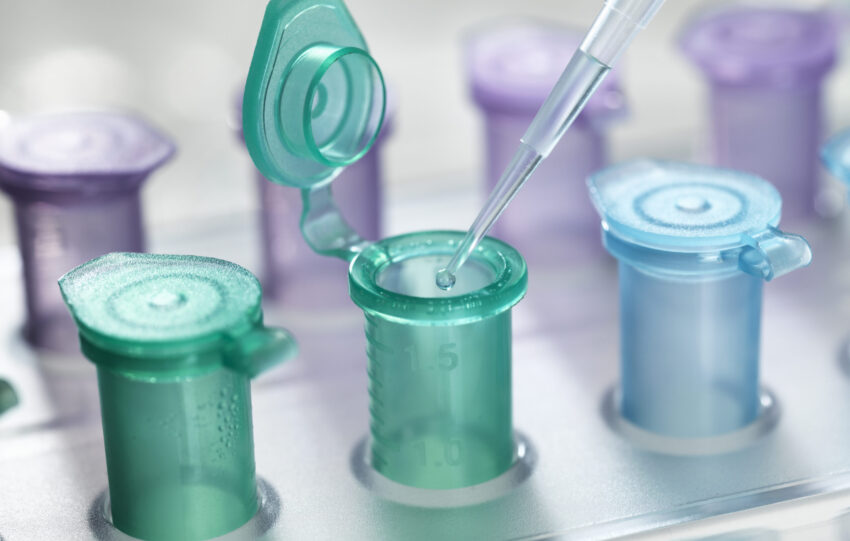
The RCL process is designed to work at near-ambient temperatures with high reagent recycling. Temas has previously flagged operating cost reductions of over 65% versus conventional titanium processing, and management now argues the same closed-loop advantages should carry across to vanadium.
If that translates even partially, the patent gives Temas something to license to vanadium miners struggling with capex-heavy roast-leach flowsheets. That is a genuine commercial angle, not just a press release milestone.
The licensing thesis still has to prove itself
Here is where we would want to push back. Twelve patents across six critical minerals is impressive on a corporate slide, but Temas has not yet announced a binding licensing deal, a paid pilot with a Tier 1 miner or a royalty stream to point at. The commercialisation column on the scoreboard is still empty.
Our concern is that IP portfolios can quietly become sunk R&D if they never convert. The company references confidential discussions and third-party lab testing with potential partners, which is encouraging but unverifiable from the outside.
The next real proof point is a signed licensing agreement or a funded partner pilot, not another patent filing. Until then, the market is being asked to value optionality over cash flow.
La Blache gives the technology something to hug
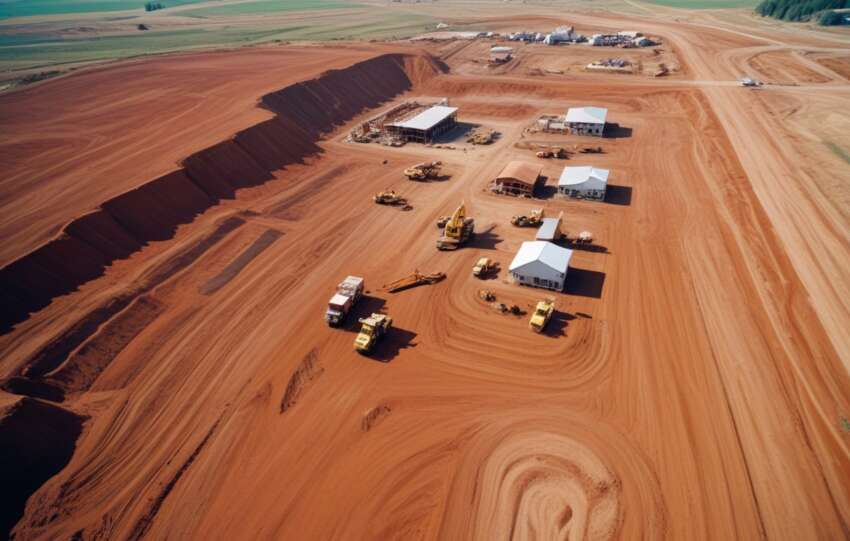
One thing that separates Temas from a pure technology play is that it owns 100% of two advanced titanium-vanadium-iron projects in Québec. La Blache in particular now has confirmed high-grade vanadium mineralisation alongside titanium, gallium, scandium and chromium credits.
That gives the RCL platform a captive testbed and, eventually, a captive feedstock. If commercial licensing takes longer than hoped, Temas can still point to a resource base that any acquirer or joint venture partner would need to price.
It also lets management sequence the story sensibly. Prove the flowsheet on your own ore, publish the numbers, then walk into partner discussions with hard operating data rather than a slide deck.
The Investors Takeaway for Temas Resources
We think the vanadium patent is a sensible extension of a genuinely differentiated technology platform, and La Blache gives the story a real asset backbone. The strategic logic of a Western critical minerals processor with proprietary chemistry is easy to like in the current geopolitical setup.
The harder question is whether Temas can convert twelve patents into a first commercial licensing contract inside the next 12 to 18 months. That is the moment the market will re-rate the name from explorer to technology company, and the moment it should be prepared to pay a very different multiple. Investors can find more in-depth coverage of ASX-listed critical minerals names at stocksdownunder.