KEY POINTS
- US inflation fell to 3.5% in June, well below the 3.8% economists expected. Prices actually dropped 0.4% over the month.
- Core inflation, which strips out food and fuel, came in at 2.6%. Forecasts were for 2.9%. That is a significant undershoot, and a good one.
- Bond yields fell and the Nasdaq rose, as traders unwound bets that the Federal Reserve would raise rates this month.
- Our view: do not celebrate yet. This data covers June. The oil shock happened in July, and it will not appear until next month's report.
US inflation fell to 3.5% in June, and on the face of it, that is very good news. Only a day ago, bond traders were betting the Federal Reserve would raise interest rates at its meeting on 28 and 29 July. That fear has now faded. But there is a catch most of today’s headlines are missing. These numbers were collected before oil prices exploded, which means the report is already out of date.
Why Did Inflation Fall So Much?
Two things did the work. The first was housing. Shelter costs make up more than a third of the inflation basket, and they rose just 0.1% in June. That is the smallest increase since January 2021. Rents and home-related costs finally cooled off.
The second was energy. Petrol prices fell sharply during June as tensions with Iran appeared to ease, and energy alone pulled the index down by 0.44 points.
Core inflation at 2.6% is the number that matters most, because it ignores food and fuel and shows the underlying trend. At 2.6%, it is closing in on the Fed’s 2% target.
The Catch: This Data Is Already Out of Date
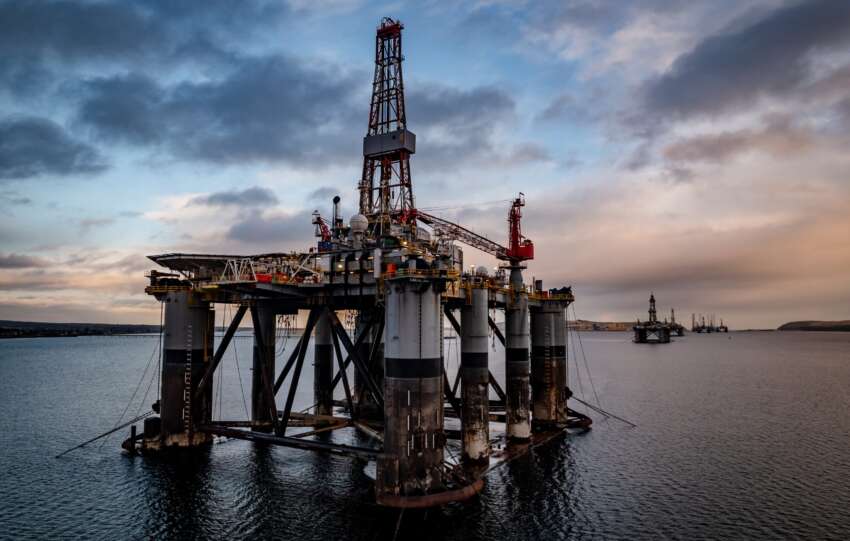
Inflation reports are a photograph of the past, not a forecast. June was calm on the oil front. July has not been. The US is moving to enforce a blockade in the Strait of Hormuz, the narrow waterway that carries a huge share of the world’s oil, and has proposed a 20% fee on cargo crossing it.
Exactly how that fee would work is still unclear and is being contested. What is not in doubt is the market’s reaction. Brent crude just posted its biggest one-day jump in years and is trading above US$80 a barrel.
None of that is in today’s report. It will show up in the July inflation data, released in August. In other words, the relief investors are celebrating today may be the last good number for a while.
Has the Rate Hike Threat Gone Away?
Not entirely, and this is where we part company with the crowd.
A soft June print makes a July rise unlikely, and markets have moved accordingly. But the Fed sets policy on where inflation is heading, not where it has been. Crude usually reaches the petrol pump within two to six weeks, and petrol feeds straight into the headline number.
The bigger worry is the second channel. Oil does not just make fuel; it moves goods. If the cost of shipping through Hormuz rises, so does the cost of getting products onto shelves, and that leaks out of the energy category into everything else. That is exactly how a temporary price spike becomes the sticky core inflation the Fed actually fears.
Our read: the immediate danger has passed, but the reason investors feared a hike in the first place has not disappeared. It has simply been delayed by a month.
Why Is the Dow Falling if Inflation Is Good News?
One stock. IBM crashed 23% after warning on its results.
The Dow is price-weighted, meaning it gives more influence to shares with a high price rather than to the biggest companies. IBM traded near US$290, making it one of the heaviest names in the index. When a stock like that drops almost a quarter, it pulls the whole Dow down by itself. On Tuesday, IBM alone accounted for roughly 73% of the Dow’s decline.
IBM is listed on the New York Stock Exchange, so the Nasdaq never carried it. Free of that anchor, and helped by the cooling core inflation number, the tech-heavy index rose. Today’s split screen is a company story, not an inflation story.
What Should Investors Watch Now?
Oil, above all. If Brent holds above US$80, the calm in today’s report will look short-lived, and the rate-hike conversation returns quickly. If the Hormuz situation eases and crude falls back, today’s number marks the start of a genuine cooling trend.
Fed Chair Kevin Warsh’s testimony today. He appears before Congress within hours of this print. Watch whether he treats the soft June number as progress or waves it away as stale. That is the first real signal of how the Fed reads it.
The Fed meeting is on 28 and 29 July. A hold now looks likely, but the language matters far more than the decision. If officials flag oil as a risk to their outlook, markets will start pricing hikes again regardless of what the Fed does this month.
Today’s number tells us where inflation has been. August’s report, the first to contain July’s oil prices, will tell us where it is going. The sensible position is cautious optimism rather than celebration. The data was good. The backdrop has changed.