KEY POINTS
- Oil has crashed to a three-month low as the US-Iran deal reopens the Strait of Hormuz and drains the war premium from prices.
- This looks like fear pricing unwinding, not a collapse in demand, so the selloff may be overdone.
- ASX energy stocks have given back almost all their conflict-driven gains, with Woodside, Santos and Karoon all lower.
- We lean towards quality, low-cost producers with strong balance sheets, but a fresh Middle East flare-up is the key swing factor.
Brent crude fell to its lowest level since early March this week, after the United States and Iran signed an interim peace deal and tankers began moving through the Strait of Hormuz again. With the supply-shock fear fading, crude is now down more than a third from its peak earlier this year. ASX energy names fell with it: Woodside (ASX:WDS) dropped 3.6% to about A$29 on Wednesday, and Santos and Karoon slid too. The question for investors: has the market overreacted?
Why Oil Crashed: The War Premium Unwinds
When war broke out in the Middle East this year, the Strait of Hormuz was effectively shut. That waterway carries about a fifth of the world’s oil, so Brent spiked above US$110 a barrel as traders feared the worst, adding a big “war premium.” Now the US and Iran have struck an interim deal, and ships are sailing again, so that fear is draining away.
The key point: this is a sentiment-driven fall, not a sign the world needs less oil, and such rallies unwind as fast as they form. But this is only a fragile 60-day truce, with the hard issues left for later, and a planned signing in Switzerland was just called off. If the deal breaks down, the premium could snap back.
The ASX Energy Stocks Caught in the Selloff
The selloff hit the whole sector, but not every name is equally exposed.
Woodside (ASX:WDS)
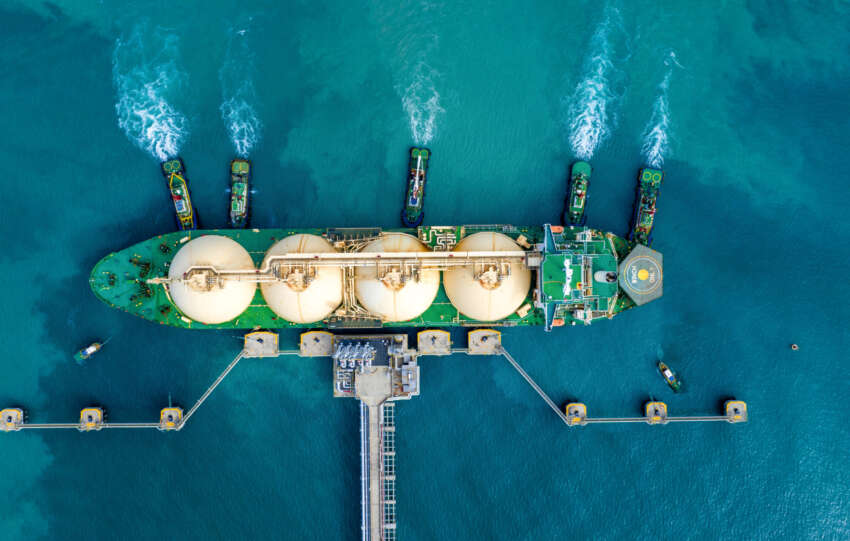
Woodside is Australia’s biggest oil and gas producer, so it moves with crude, but it is better protected than most. It has hedged 30 million barrels of 2026 output at about US$74 a barrel, which softens the fall, and its Scarborough LNG project is more than 96% complete with first cargo due late this year. In our view, the dip looks like a fair entry point for large-cap oil exposure with a buffer.
Santos (ASX:STO)
Santos offers more growth but more risk. Its Barossa LNG project shipped first cargo in January, and output should rise about 30% by 2027 as Barossa and the Pikka oil project in Alaska ramp up. The catch: its recent gains were tied to the oil spike, and there is no takeover backstop after last year’s A$8.89 ADNOC bid collapsed. If oil keeps sliding, that earnings boost fades fast.
Karoon Energy (ASX:KAR)
Karoon is the smallest and most volatile of the three, and it has its own problem on top of the oil slump. In mid-June, it cut 2026 production guidance to 7.2-8.2 MMboe after a riser failure at its Who Dat field in the US Gulf of Mexico, with that output not back until the second half of 2027. That is why it was hit hardest, down about 30% in a week, and it remains the riskiest way to play the theme.
The Investor’s Takeaway
Lower oil will squeeze near-term earnings across the sector, but most of this move is the war premium unwinding, not a demand collapse. That is why we lean towards better-quality, low-cost producers with strong balance sheets. Woodside’s hedging and LNG weighting make it the most defensive of the three.
For investors comfortable with oil-price swings, the pullback may offer better entry points than chasing the highs. Just watch the swing factor: a fresh Middle East flare-up could send the premium, and these share prices, straight back up.