Here’s Why Gold and Silver Are Falling
Gold and silver have been all over the headlines lately.
Gold fell more than 12% to hitting below $US5,000 an ounce in its biggest daily decline since the early 1980s.
After an extreme rally into late January, both metals snapped lower in a very short window. That kind of move can feel confusing as an investor, especially if you are trying to separate noise from the real drivers.
So here is the goal: break down what likely drove the sell off, and what it tells us about how gold and silver actually move, and what that could mean for the broader commodity space.
First, it is worth zooming out. Demand trends have remained supportive, which is why gold and silver have been standout performers in recent market cycles.
A big part of the strength has been uncertainty. When investors are forced to price in risk, precious metals tend to regain relevance fast.
What are the Best ASX Stocks to invest in right now?
Who is buying and who is selling?
One useful signal to watch is central bank buying, particularly in gold. World Gold Council data has highlighted Poland as a major buyer, adding around 90 tonnes, with other countries like Turkey and China also featuring prominently in broader demand trends.
When you combine geopolitical tension, central bank diversification, and periods of retail risk aversion, it becomes easier to see why precious metals have stayed well supported.
And that is why the pullback matters. A sharp sell off after a strong run does not automatically mean the thesis is broken. Often it is the market repricing a near term change in positioning, liquidity, or expectations, rather than a sudden collapse in underlying demand.
If those uncertainty conditions persist, both gold and silver prices still have a credible case for continued strength.
Silver is especially interesting because it is not just a “precious metal” story. It also has real industrial exposure, which can benefit if the AI infrastructure build out and electrification cycle continue to scale.
On the back of that rally in silver prices, we also had very real retail and trading dynamics pushing prices to higher highs.
When a market goes near vertical, profit-taking is not bearish, it is normal. Growth is almost never linear. The moment prices start to wobble, a lot of investors and institutions look to crystallise gains at the same time, which can turn a small dip into a fast move lower.
Fed and interest rate expectations.
Another core driver for both gold and silver is the Fed and interest rate expectations.
Gold prices tend to do well when markets expect easier monetary policy, quantitative easing, or falling real yields, because it is a scarce store of value and an inflation hedge. If sentiment shifts from “aggressive cuts are coming” to “cuts may be delayed”, that can remove a major tailwind very quickly.
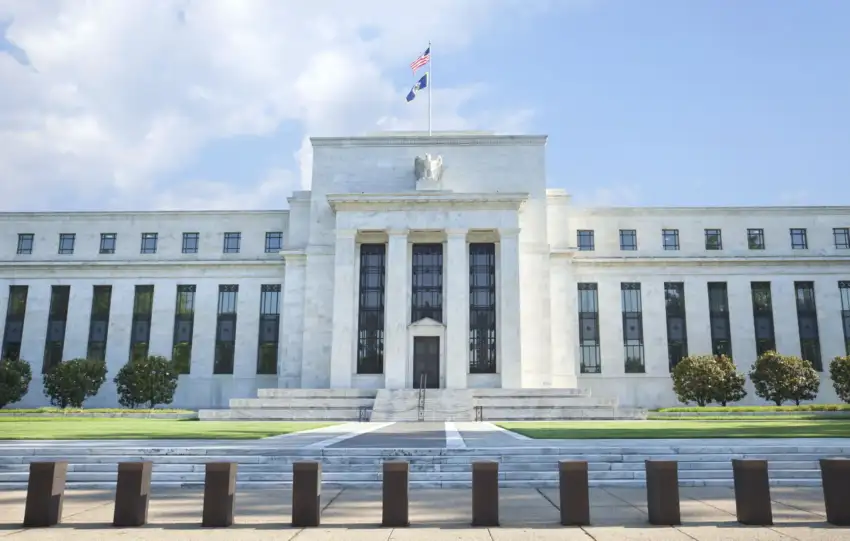
The Wall Street Journal noted that “Trump announcing Warsh as his pick for next Fed Chair has been a US dollar positive and precious metals negative,” said Aakash Doshi, global head of gold and metals strategy at State Street Investment Management.
Right now, it looks like expectations for continued Fed cuts have stalled due to sticky inflation pressures. Fading expectations for aggressive cuts, combined with a steadier US dollar, was likely a strong catalyst for the sell-off.
What the Market Is Really Reacting To
Then there is the “gambling” part of the market, leverage.
After the plunge, the CME raised margin requirements. In plain English: leveraged futures traders needed to post more collateral or reduce positions. When margin requirements rise into a falling market, that can force liquidations.
Forced liquidations often cascade. Selling creates lower prices, which triggers more margin stress, which forces more selling, especially when liquidity is thin.
This dynamic is typically amplified in silver.
Silver is often more retail and momentum-driven, tends to be more volatile, and can be less liquid at the margin than gold. So when leverage starts unwinding, silver can fall harder and faster than gold, even if the long-term fundamentals have not suddenly changed.